Source Ultra Quiet Portable Spin Bike for Home and Gym
Find 30 ultra quiet portable spin bike options for home gyms, small apartments, and travel. Compare magnetic resistance models, flywheel weights, and folding designs to select the best fit for your space and budget; compare the available evidence and request quotations based on your requirements.
Key considerations
Products List


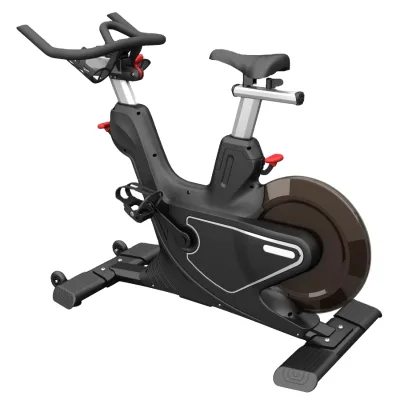
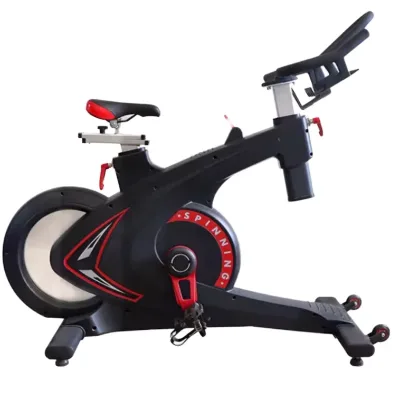


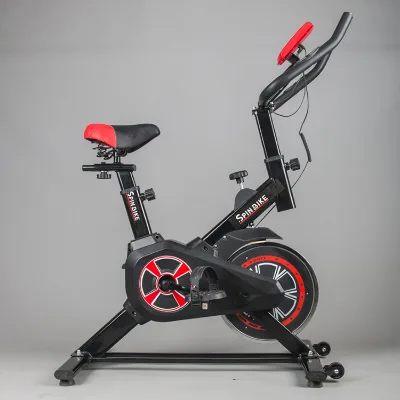


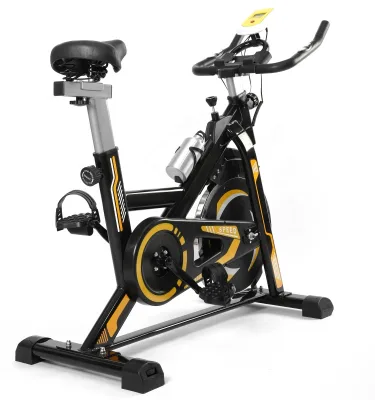


Comprehensive Sourcing Guide
Ultra Quiet Portable Spin Bike Sourcing Guide
Procuring an ultra quiet portable spin bike requires distinguishing between friction-based and magnetic resistance systems, as the latter is essential for minimizing operational noise in shared living spaces. The observed market data indicates that while some units utilize friction mechanisms, the most suitable options for quiet operation rely on magnetic resistance gears, which eliminate physical contact between the flywheel and the resistance pad. Buyers must verify the specific resistance mechanism listed in the product attributes, ensuring the selection aligns with the requirement for silent performance during indoor cycling sessions.
Portability is a critical factor for home users with limited floor space, necessitating a focus on folding capabilities and manageable unit weights. The available inventory includes models that fold for compact storage, with net weights ranging from approximately 14 kg to 30 kg depending on the specific configuration and flywheel mass. When evaluating portability, purchasers should confirm the folded dimensions and the presence of transport wheels, ensuring the bike can be easily moved and stored without requiring disassembly or excessive physical effort from the end user.
Product Scope and Observed Listing Signals
The current market for portable spin bikes presents a diverse range of specifications, with observed listing prices spanning from roughly 36 USD to 1000 USD, reflecting significant variance in build quality and feature sets. Buyers should note that the lowest price points often correspond to basic models with plastic pedals and simple meter configurations, whereas higher-priced units may offer enhanced stability and more robust flywheels. It is imperative to cross-reference the listed price with the detailed specifications to avoid purchasing under-specified equipment that fails to meet durability expectations for regular home use.
Listing signals regarding customization availability suggest that many suppliers offer flexibility in branding and component selection, allowing buyers to tailor the product to specific market needs. The observed data confirms that customization is available for key attributes such as flywheel weight and color, which can be critical for brand differentiation. However, buyers must carefully review the minimum order quantities associated with these customizations, as some suppliers may require orders of 100 pieces or more to activate these options, impacting the feasibility for smaller procurement batches.
Technical Specifications to Verify
Flywheel weight is a primary determinant of ride smoothness and inertia, with observed models featuring weights as low as 6 kg, though heavier options may be available upon request. A flywheel under 10 kg is common in portable units, but buyers should verify if the specific model meets the desired resistance feel, as lighter wheels may result in a less stable pedaling experience during high-intensity intervals. Confirming the exact flywheel mass and whether it can be customized is essential to ensure the bike delivers the consistent momentum required for an effective indoor cycling workout.
Dimensional accuracy and weight capacity are equally vital for ensuring the equipment fits the intended environment and supports the target user demographic. The observed product dimensions vary significantly, with some models measuring approximately 1050 mm in length while others are more compact at around 835 mm, directly impacting the space required for setup. Additionally, verifying the maximum user weight capacity, which ranges from 100 kg to 120 kg in the observed listings, ensures the frame and components are engineered to safely support the intended users without risk of structural failure.
Compliance and Safety Documentation
Certification status is a non-negotiable aspect of sourcing, with observed listings frequently displaying CE, FCC, RoHS, and GS marks, indicating adherence to international safety and environmental standards. Buyers must request valid certification documents for each specific model to confirm that the electrical components and magnetic systems meet the regulatory requirements of the destination market. Relying solely on the presence of a certification label in the product description is insufficient; verified documentation is necessary to mitigate liability and ensure the product can be legally imported and sold.
Safety standards regarding the structural integrity of the bike frame and the stability of the flywheel assembly must be rigorously checked against recognized industry benchmarks. While specific standard numbers like 12707951125mm appear in some listings, these often refer to dimensional standards rather than safety protocols, so buyers should explicitly ask for compliance with relevant mechanical safety standards. Ensuring that the packaging and shipping methods, such as the observed four-layer neutral packaging, protect the product from damage during transit is also a critical component of the safety and quality assurance process.
Cost Drivers and Commercial Terms
The total cost of ownership is heavily influenced by the minimum order quantity and the specific configuration selected, with observed MOQs ranging from a single unit to 250 pieces depending on the supplier. Buyers seeking small batches may find limited options or higher per-unit costs, whereas larger orders can unlock volume discounts and access to customized features like specific flywheel weights or branding. Understanding the tiered pricing structure and the impact of order volume on the final unit price is essential for accurate budgeting and financial planning.
Logistics and packaging costs represent a significant portion of the overall expenditure, particularly given the varying carton sizes and gross weights observed in the market. Some models are packed in waterproof and foam-lined cartons with dimensions around 94 cm by 19 cm, while others utilize more robust four-layer packaging to ensure safe delivery. Buyers should calculate the shipping costs based on the specific carton dimensions and weight, as these factors directly affect the freight charges and the efficiency of container loading, which can vary from 200 pieces in a 20-foot container to nearly 500 pieces in a 40-foot high cube.
Supplier Qualification and Quality Control
Supplier qualification should be based on a thorough review of their production capabilities and their ability to maintain consistent quality across different product models. The observed data indicates that suppliers operate from regions such as Zhejiang, China, and offer a range of models with varying specifications, suggesting a need to verify their manufacturing capacity and quality control processes. Buyers should request evidence of their production lines and quality assurance protocols to ensure that the magnetic resistance mechanisms and folding structures are consistently reliable across all units in the order.
Quality control checks must extend beyond the initial product inspection to include pre-shipment verification of critical components like the flywheel, pedals, and resistance mechanisms. Given the variation in net weights and dimensions observed across different models, it is crucial to implement a sampling plan that tests the structural integrity and functional performance of the bikes before they are shipped. Ensuring that the packing materials, such as the observed EPE layers and cartons, are sufficient to protect the product during international transit is also a key element of the supplier's quality control responsibility.
Long-Term Procurement Checks
Establishing a long-term procurement strategy requires regular audits of the supplier's ability to maintain product consistency and meet evolving market demands. Buyers should schedule periodic reviews of the product specifications to ensure that the magnetic resistance systems and folding mechanisms continue to perform as expected over time. Maintaining open communication with the supplier regarding any changes in materials or manufacturing processes is essential to prevent unexpected variations in product quality that could affect customer satisfaction.
Future-proofing the procurement process involves monitoring the availability of spare parts and the supplier's commitment to after-sales support for the specific models purchased. As the product line evolves, buyers should verify that the supplier can provide replacement components for the flywheel, pedals, and resistance gears to extend the lifespan of the equipment. Additionally, staying informed about updates to safety standards and certification requirements ensures that the procured inventory remains compliant and competitive in the long term, safeguarding the investment against regulatory changes.
FAQs
Can I customize the flywheel weight for this indoor spinning bike?
Yes, the flywheel weight can be customized to meet specific user requirements. The standard configuration features a 6kg flywheel, which is suitable for most home fitness applications. This customization option allows buyers to tailor the resistance and inertia characteristics of the bike to their target demographic or specific performance goals.
What certifications are required for exporting these spin bikes?
The products hold CE certification, ensuring compliance with European safety standards. Additional certifications such as FCC, RoHS, and GS are also available for specific models. These documents are essential for clearing customs in various international markets and demonstrate that the manufacturing processes adhere to strict quality and safety regulations.
What is the maximum user weight capacity for these bikes?
The maximum user weight capacity is 120kg for most models, ensuring durability for heavier users. Some specific configurations support up to 100kg. This weight limit is a critical specification for buyers to consider when targeting home gym users or commercial facilities with diverse user bases.
How are these spin bikes packaged for safe shipping?
The bikes are packed using a Ldk Safe Neutral 4 Layer Package, which includes 2 layers of EPE foam for protection. This robust packaging method prevents damage during transit. The carton dimensions and gross weight are optimized to maximize container loading efficiency while ensuring the product arrives in pristine condition.
What is the minimum order quantity for these indoor bikes?
The minimum order quantity varies by model, ranging from 1 piece for sample orders to 100 pieces for bulk production. Specific models may have higher MOQs, such as 250 pieces. Buyers should confirm the exact MOQ with the supplier based on the selected model and customization requirements.
What resistance mechanism is used in these magnetic spin bikes?
These bikes utilize a magnetic resistance mechanism for smooth and quiet operation. The system uses magnets to create frictionless resistance, allowing for precise adjustment of workout intensity. This technology ensures a silent riding experience, making it ideal for home environments where noise reduction is a priority.